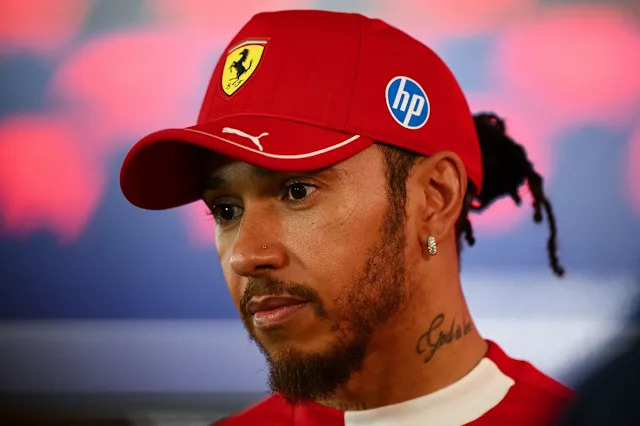
The new 2026 F1 regulations were designed to enable closer, more skilful racing. Four races in, podcasters, drivers and even FIA officials are openly questioning whether the opposite has happened. Few have put it as sharply as Matt and Tommy on the P1 podcast, whose review of the Japanese Grand Prix has become one of the more widely shared takedowns of the new formula.
Host Tommy framed the weekend as a turning point rather than a teething problem.
"My overarching feelings are: we saw the best and worst of the regulations," he said. "One of them being a lucky escape, which we'll get into. And, yeah, it was a mixed bag."
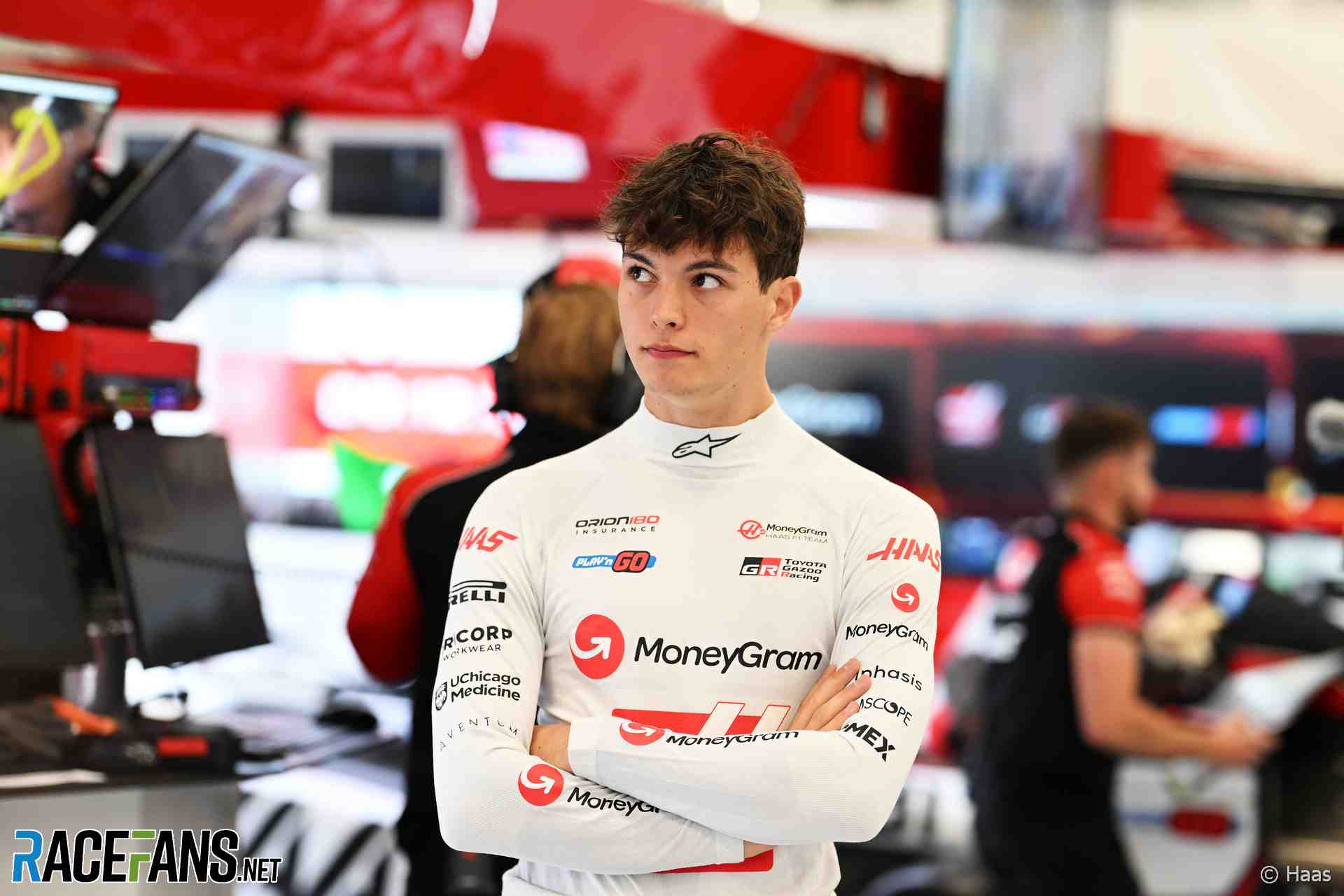
The "lucky escape" was Oliver Bearman's 50G accident at the start of Suzuka's downhill section, an incident the Haas driver attributed to power clipping from the car immediately ahead and which the FIA has since cited as a key driver of the rules tweaks now being negotiated for later in the season. The P1 hosts argued the bigger problem was less about that single moment than about the racing pattern around it.
Co-host Matt was even more direct on the on-track product itself.
"Today, what we saw — kind of going away from the Bearman crash, but I'm on a roll here — is the fact that it was motorway passing," he argued.
The pair criticised the way the new electric deployment and manual override system has begun to define overtakes. Cars approaching the DRS-style activation zones can launch past rivals with little contact, fight or skill, before the same dynamic reverses on the next straight. Tommy described the effect as "yo-yo racing" — and he is increasingly tired of it.
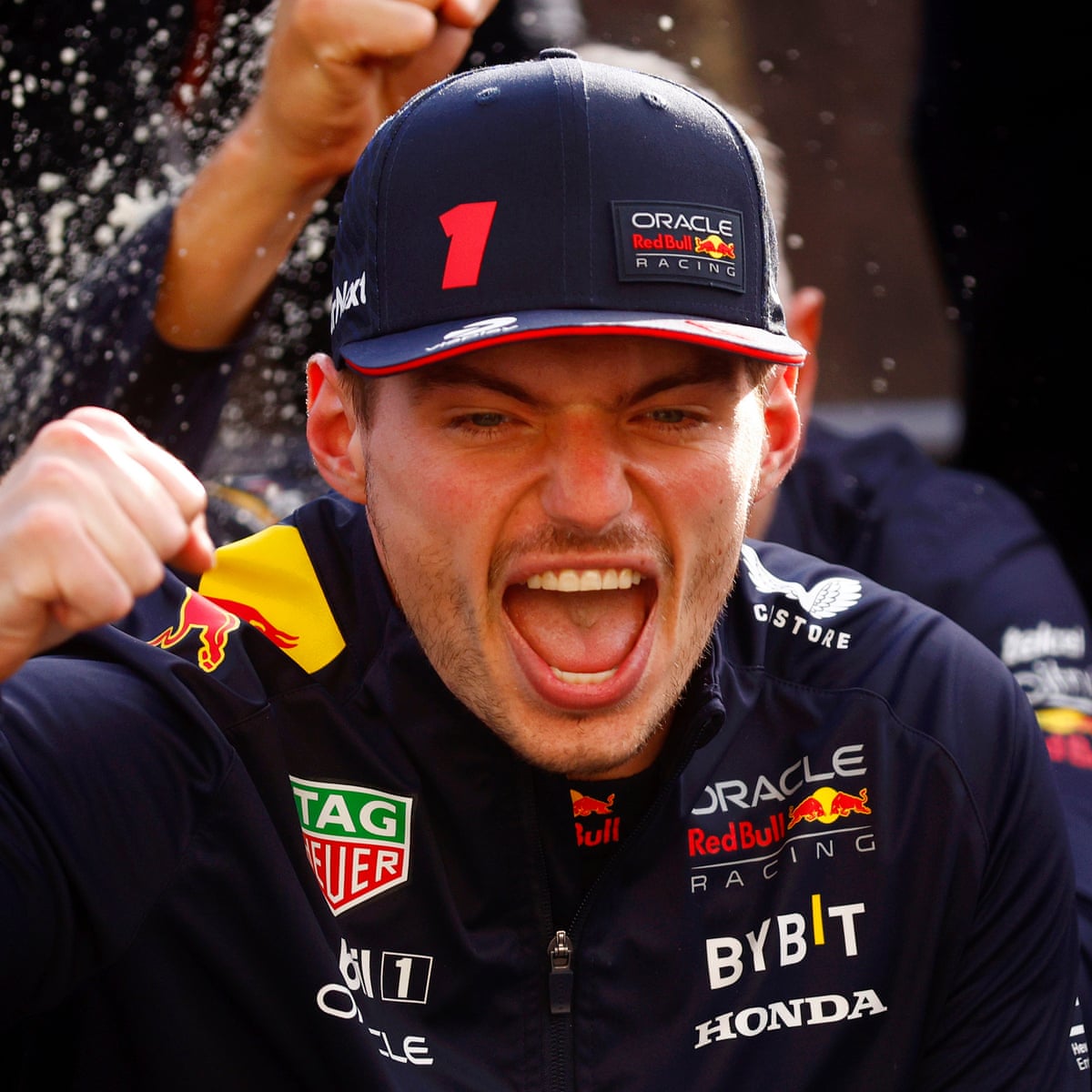
"When you're more races in, and you know that as soon as someone goes for the overtake they just fly past, it kind of gets a bit ridiculous," Tommy said. "It almost reduces the spectacle of the move."
Matt drew the contrast with the kind of Formula 1 overtaking the sport has historically traded on — the late braking, the apex dive, the half-lap setup. That, in his view, is what is being engineered out of the new product.
"The yo-yo racing where it's back and forth action, side by side, trying to beat the other person into the apex — that's Formula 1 in my opinion," Matt said.
The criticism is striking because Matt and Tommy are far from outliers. The SpeedHub channel has argued through the early rounds that the override system feels closer to a video-game boost button than to a genuine racing tool, that the unpredictability of when energy is available creates dangerous closing-speed differentials, and that fans are not simply reacting against novelty.
The P1 hosts argued the same point about fan engagement.
"Fans aren't mad because it's new," Tommy noted, paraphrasing the dominant tone in his own community. "They're frustrated by specific things — the energy modes, the deployment swings, the absence of fight on the overtake itself."
That distinction matters for the politics of what happens next. FIA president Mohammed Ben Sulayem and FIA single-seater director Nikolas Tombazis have spent the last fortnight in emergency-style technical meetings with manufacturers about reshaping the deployment profile for 2026 and the 60/40 ICE-ERS power split for 2027. Several teams have publicly endorsed those tweaks. P1's hosts are clear, however, that small tweaks will not change the diagnosis if the structural problem — overtakes determined by deployment timing rather than driver skill — remains.
"My fear," Tommy said, summarising his view, "is that you can pour all the fixes you want into this, and we'll still end up watching motorway racing."
That will be the question Formula 1 carries into Miami, Imola and Canada: whether the FIA's mid-season adjustments can convert the new formula into something closer to the side-by-side racing the regulations were built to enable, or whether the criticism crystallising on platforms like P1 is the early outline of a bigger reset to come.
---
*Originally published on [News Formula One](https://newsformula.one/article/p1-podcast-matt-tommy-2026-motorway-passing-yo-yo-racing-japan-gp). Visit for full coverage.*