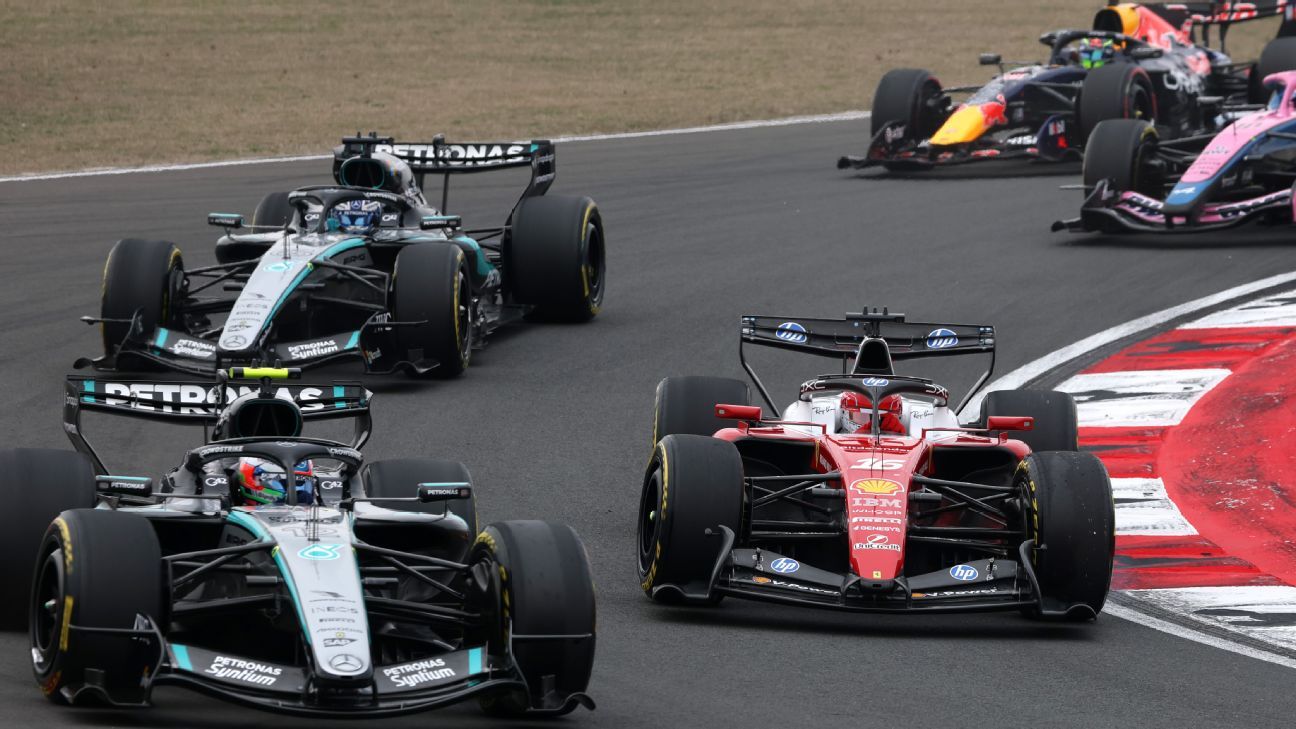
Following a month of talks among Formula 1’s key stakeholders, the championship and the FIA have agreed a package of adjustments to the controversial 2026 regulations prompted by early-season concerns. The proposals are intended to address problems seen over the opening three races and are scheduled to take effect at the Miami Grand Prix on May 3, pending approval by the FIA World Motor Sport Council.
Technical leaders, drivers, team bosses and the sport’s executives took part in a series of meetings that culminated in a final session on Monday. The outcome is a set of changes aimed at improving spectacle and safety without upending the regulatory framework.
The revisions target four areas: sharpening the qualifying spectacle; reducing the risk of large speed differentials between cars that could trigger serious incidents; lowering the likelihood of start-line collisions; and anticipating problems in wet conditions. Together, the tweaks are designed to smooth the sport’s new era without rewriting it.
Although a long list of items emerged from the final meeting, F1 has emphasized these are small calibrations rather than a wholesale rewrite. The series says the complex nature of the 2026 cars necessitates careful, incremental steps instead of sweeping changes.
To understand the scope of the adjustments, it helps to revisit a few core terms in the current regulations. The MGU-K, or motor-generator unit-kinetic, both deploys electrical power to the rear wheels and harvests energy under braking to recharge the battery. Under the 2026 framework, the MGU-K’s maximum deploy and recovery rates are capped at 350 kW.
Electrical output is measured in kilowatts, while total storable electrical energy is measured in megajoules. The hybrid system’s battery may hold up to 4 MJ of usable energy at any moment. These limits define how teams balance performance and energy recovery over a lap.

The rulebook also references a term known as superclipping, a method of topping up the battery by using the MGU-K to divert power. This concept sits alongside the standard harvesting and deployment strategies that shape how drivers manage energy on track. These ideas underpin the current generation of cars and frame the conversations around adjustments.
The adjustments still require formal sign-off by the World Motor Sport Council before they can be written into the regulations. If approved as planned, Miami will provide the first real-world read on whether the measures improve qualifying dynamics and reduce risk in traffic and at race starts.
---
*Originally published on [Formula One News](https://newsformula.one/article/f1-outlines-2026-rule-tweaks-after-driver-criticism-ahead-of-miami). Visit for full coverage.*